The Italian garden and the nymphaeum between the 17th and 18th centuries
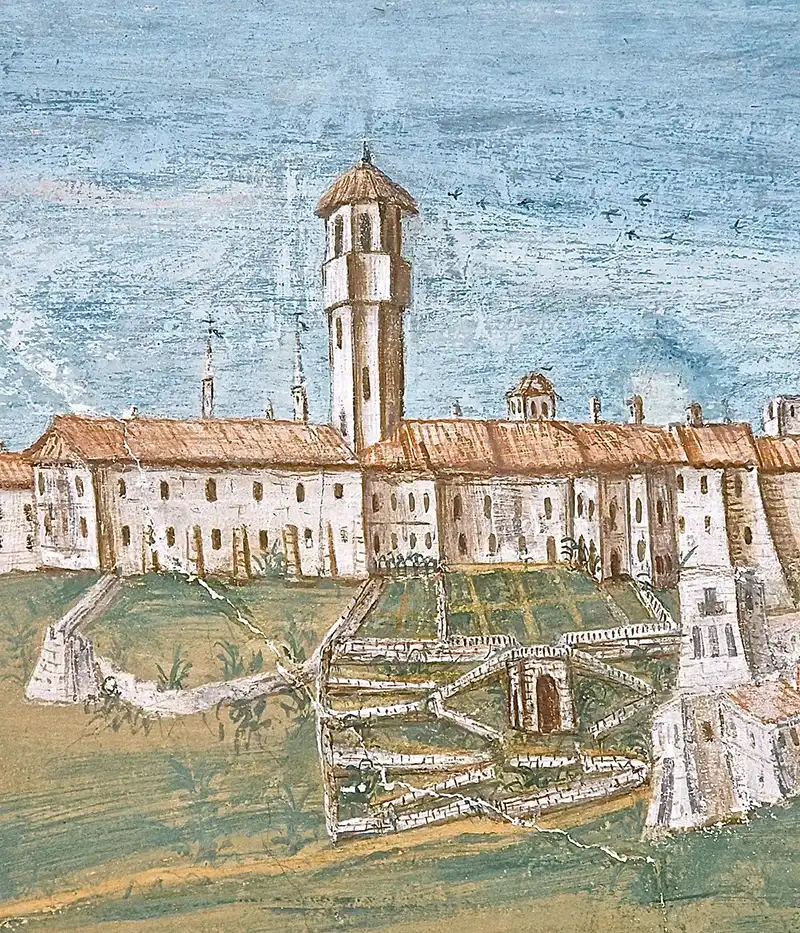
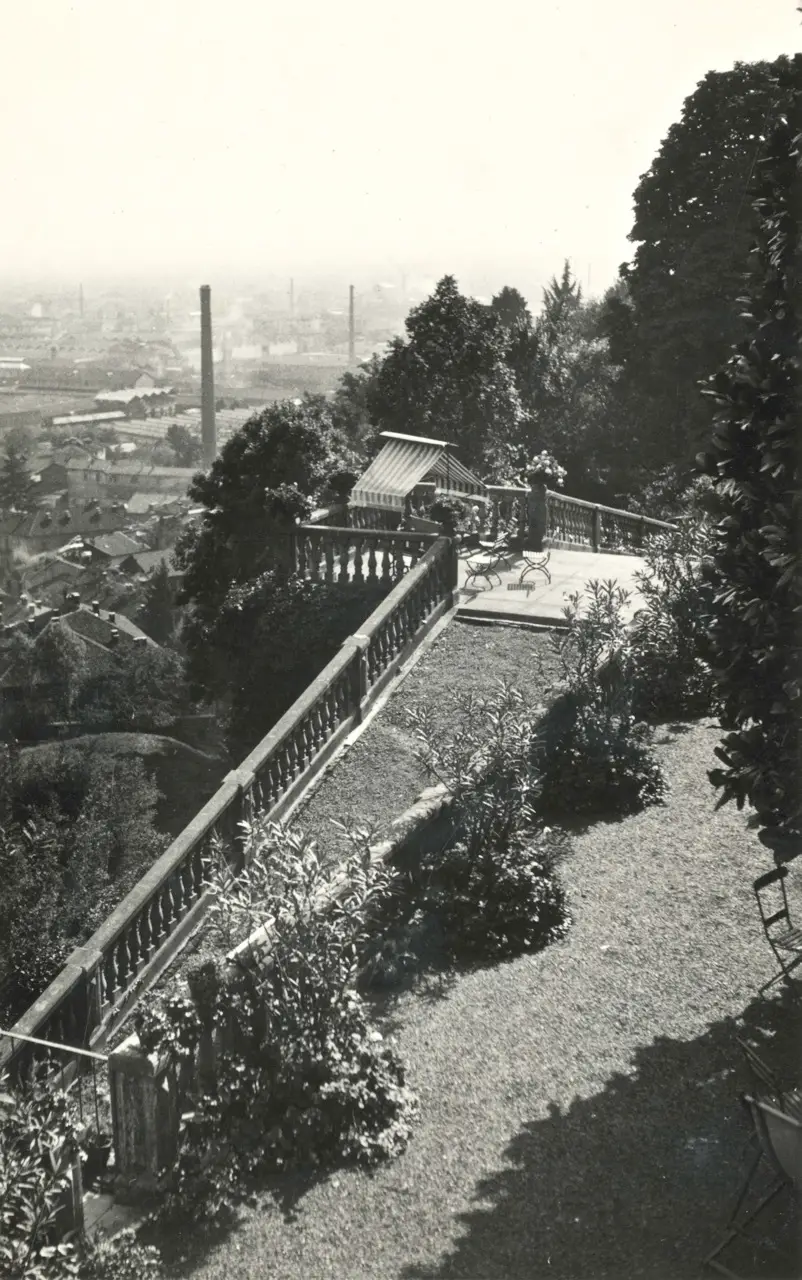
The first representation of the garden found is in the fresco in the Sala dei Castelli Palazzo La Marmora, in which we see an Italian garden divided into three areas: two flat spaces with parterres bordered by hedges, and a third area that extends along the slope starting from the terrace jutting out into the void, which forms the top of the grotto.
In the last decade of the 17th century, some of the walls of the current ramps were built.
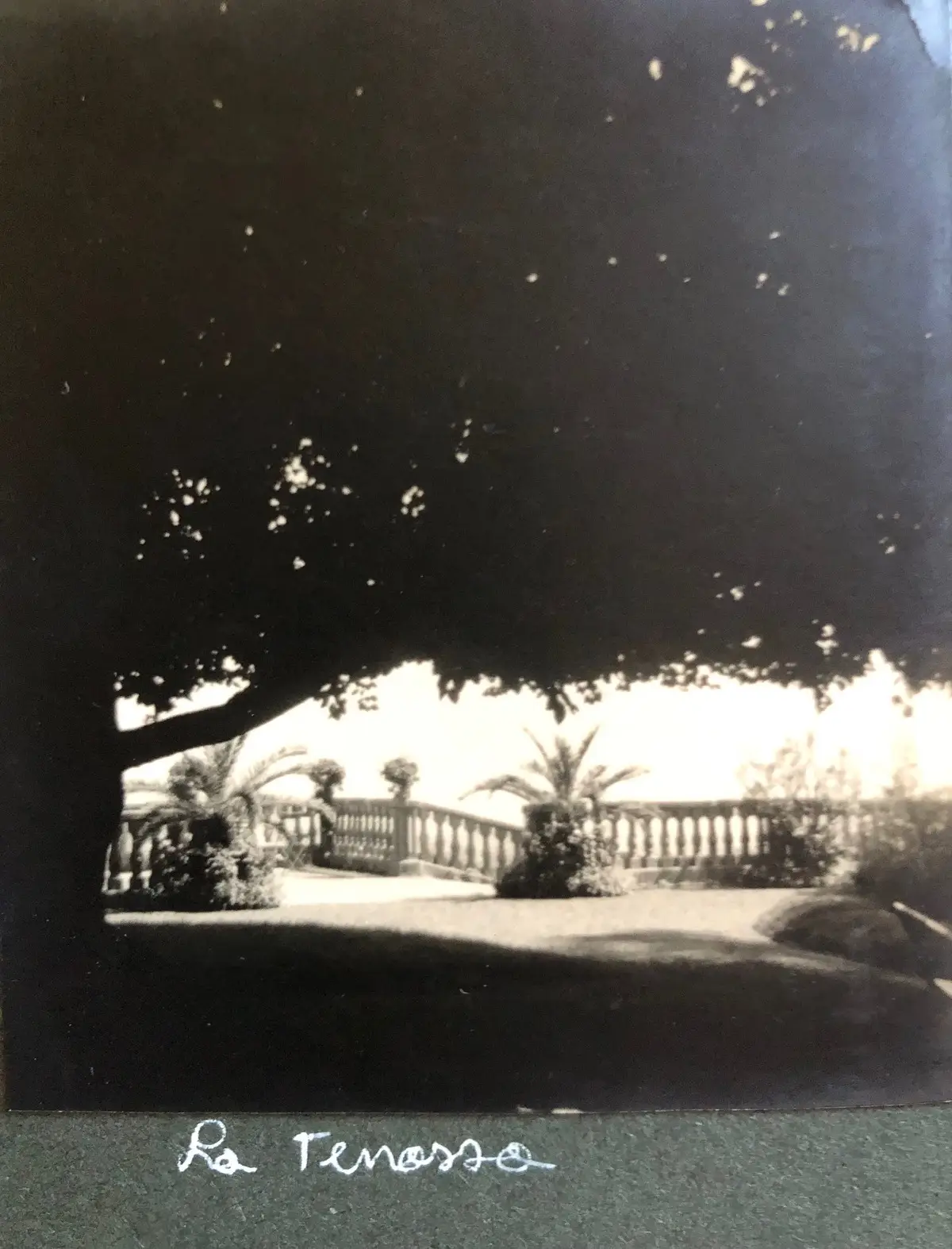
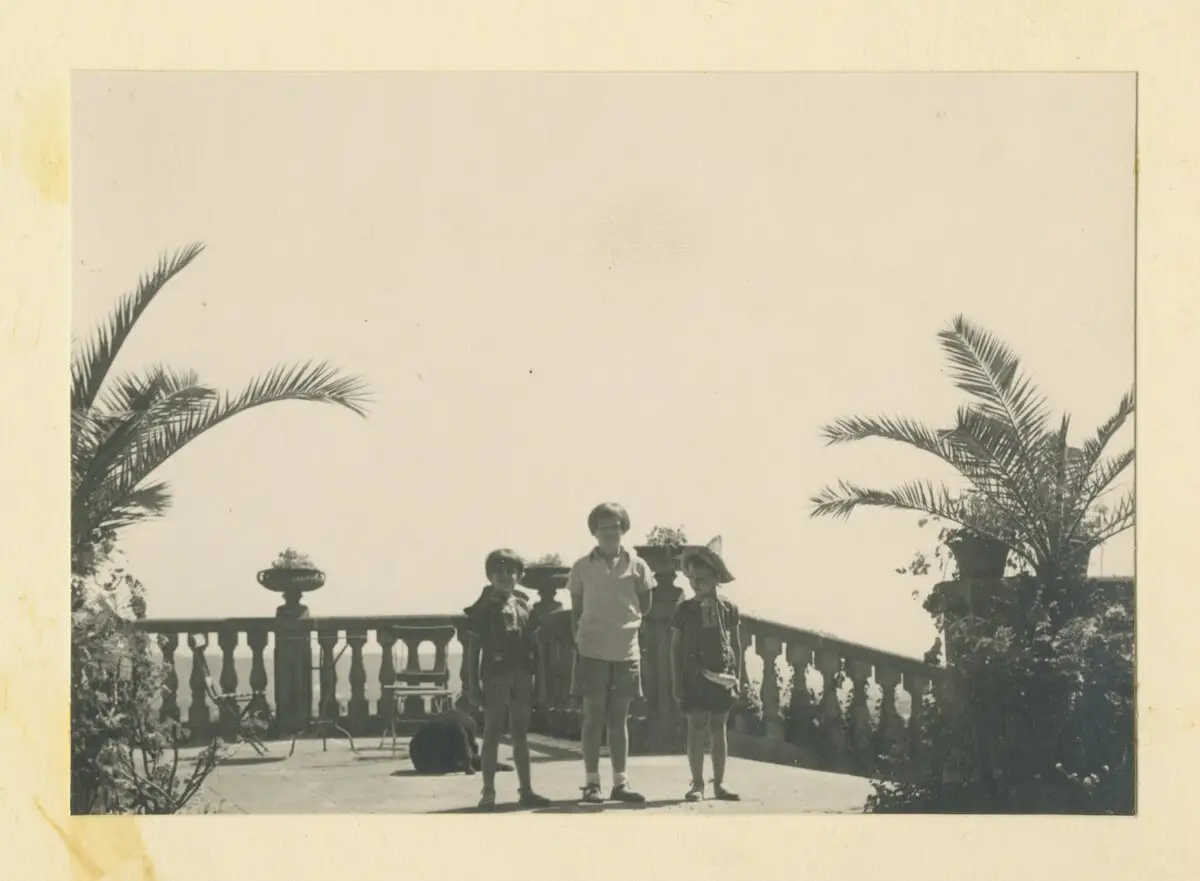
An even more significant intervention took place in 1715, with the creation of the nymphaeum described in the accounting records of the time as a “Theatrical Perspective composed of three Loggias, two Ramps, with as many steps, a Grotesque with three arches with a Terrace extending in front of the Grotesque. This structure is located at the end of the Garden of Delitia.”
In the same year, the flat part of the garden was also redesigned with leveling works, the introduction of ornaments and vases, and even the construction of a kiln for production of the latter.
From Italian garden to English garden
The designs from the late 18th century created by surveyor Giovanni Battista Maggia still show an Italian garden characterized by orderly geometries and well-defined hedges.
From the late 1800s to toda
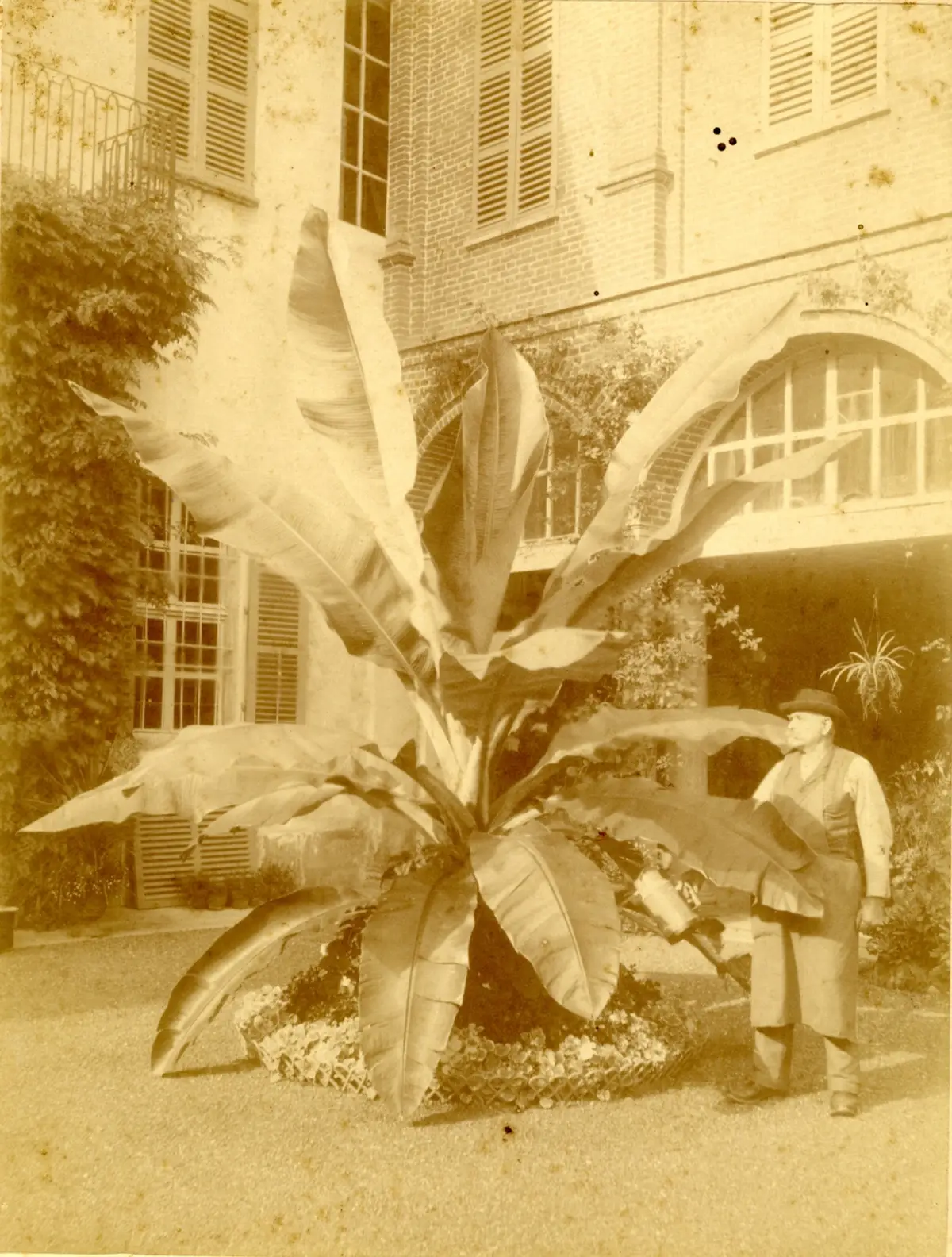
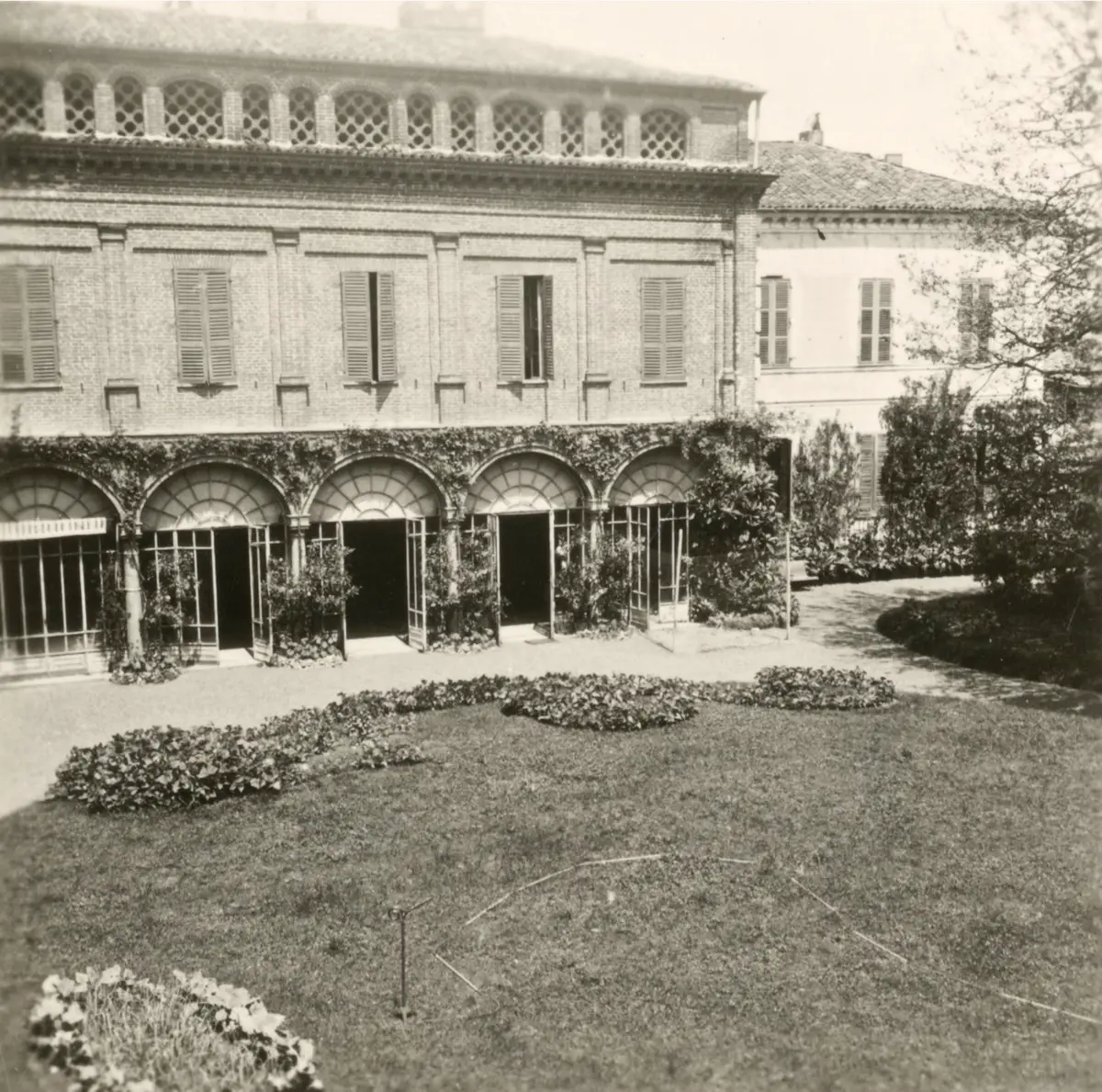
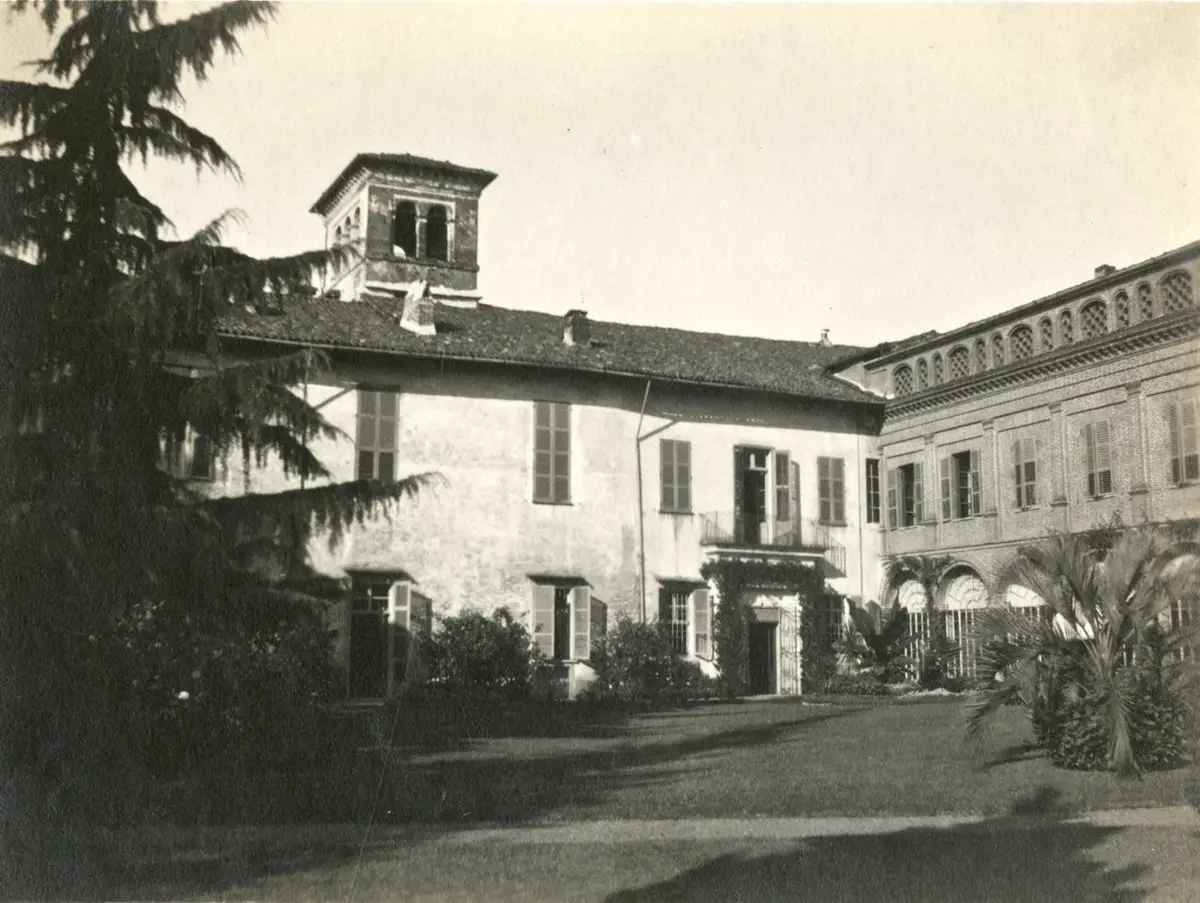
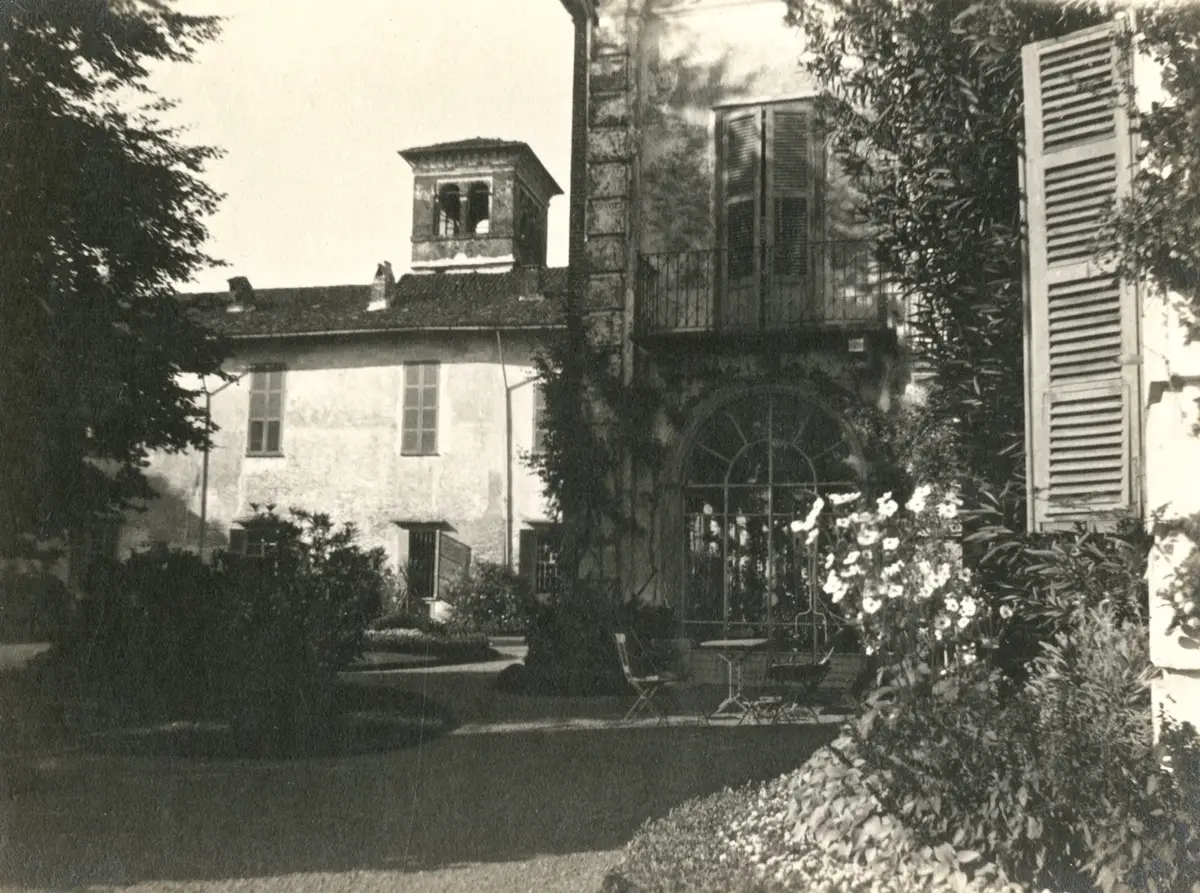
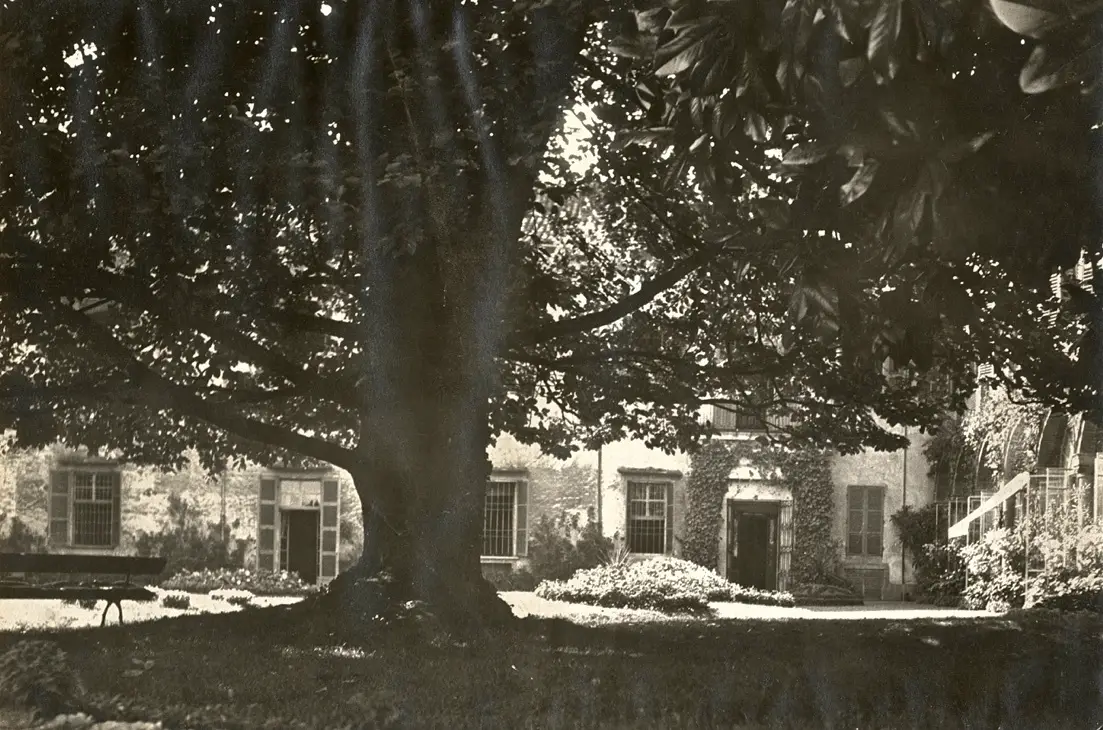
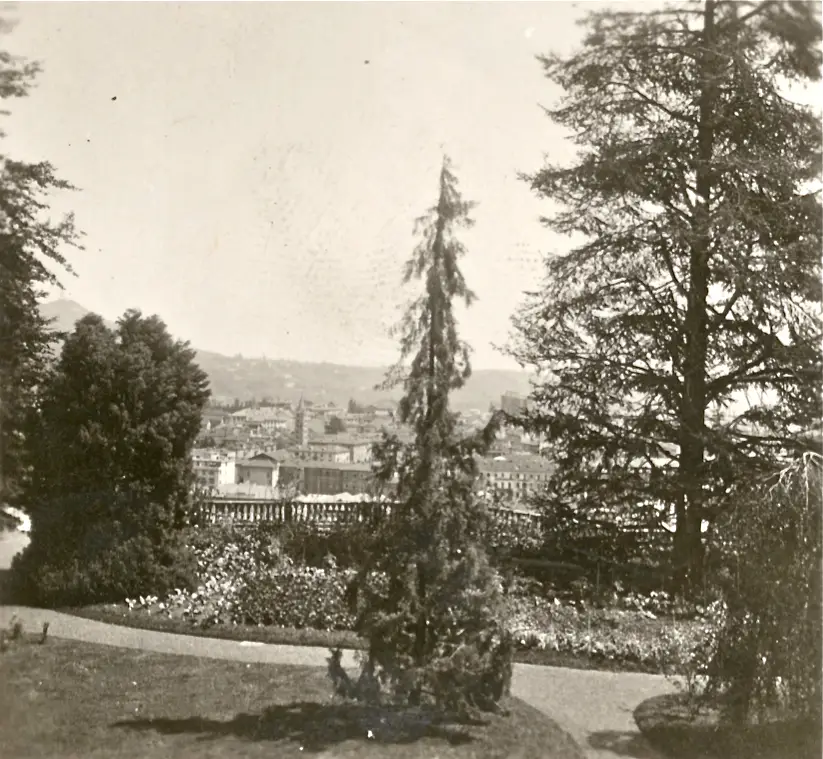
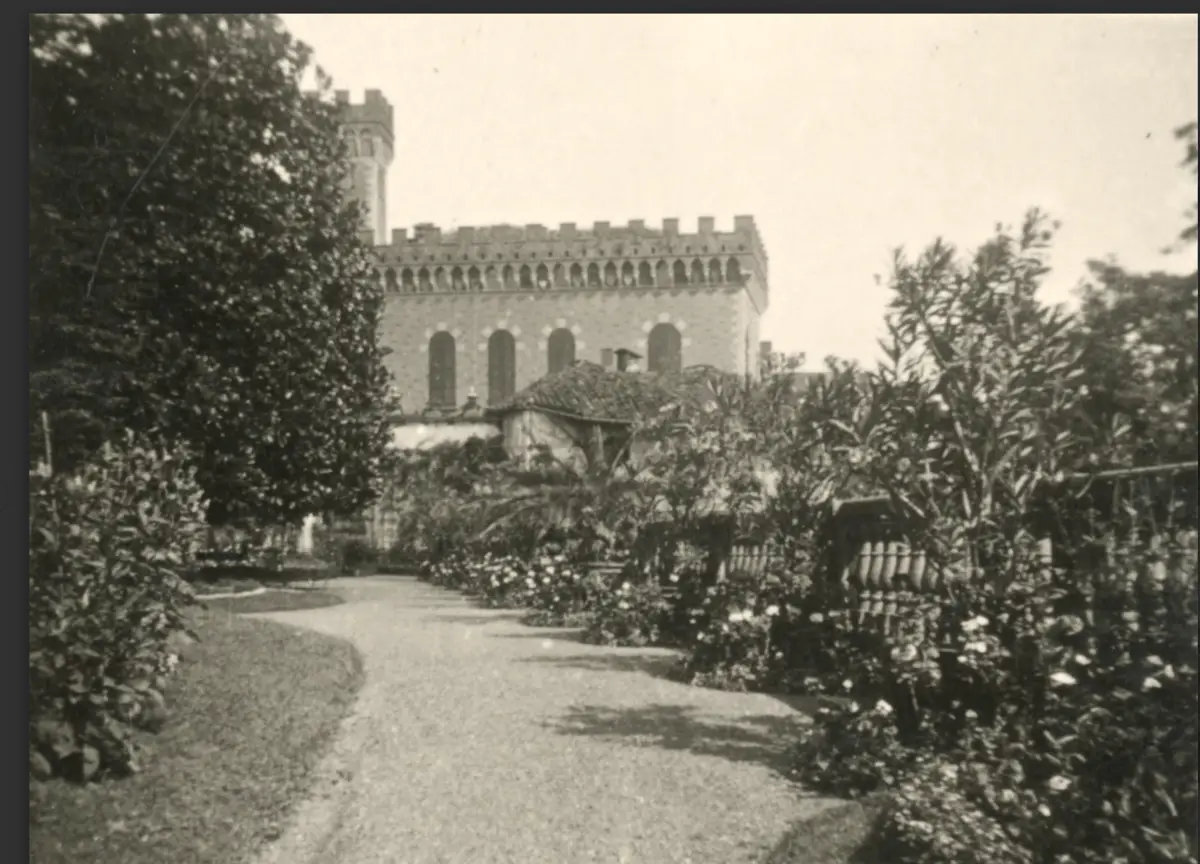
Since the garden its “English” appearance, Tommaso and Maria Luisa Ferrero della Marmora, followed by Mario Mori Ubaldini degli Alberti and Enrichetta Ferrero della Marmora, and devoted themselves to the care of the green spaces, replacing fallen plants and introducing new ones.
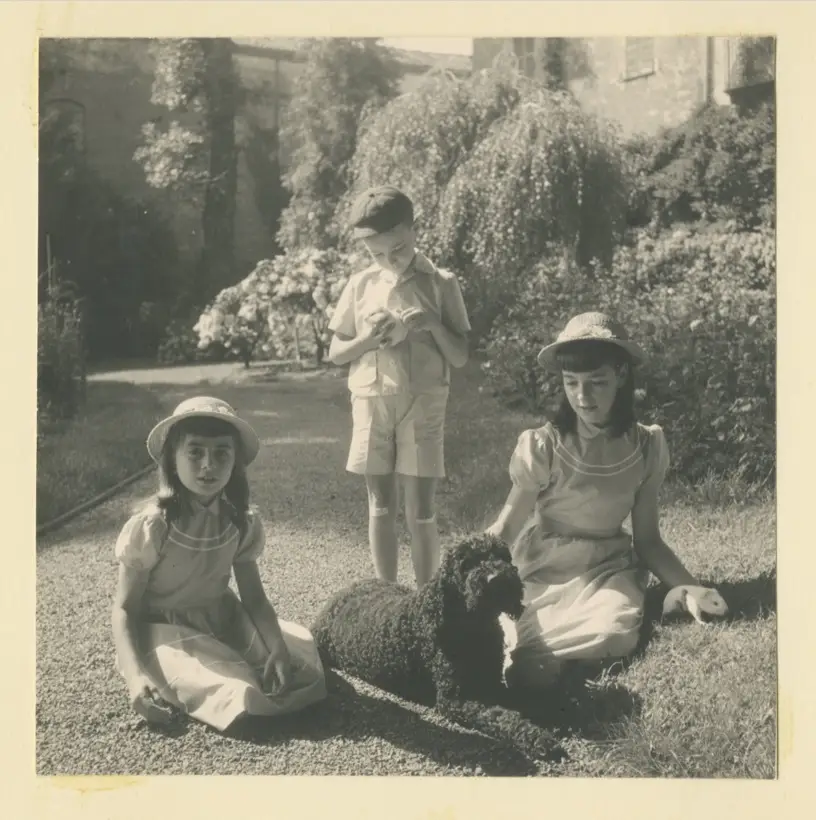
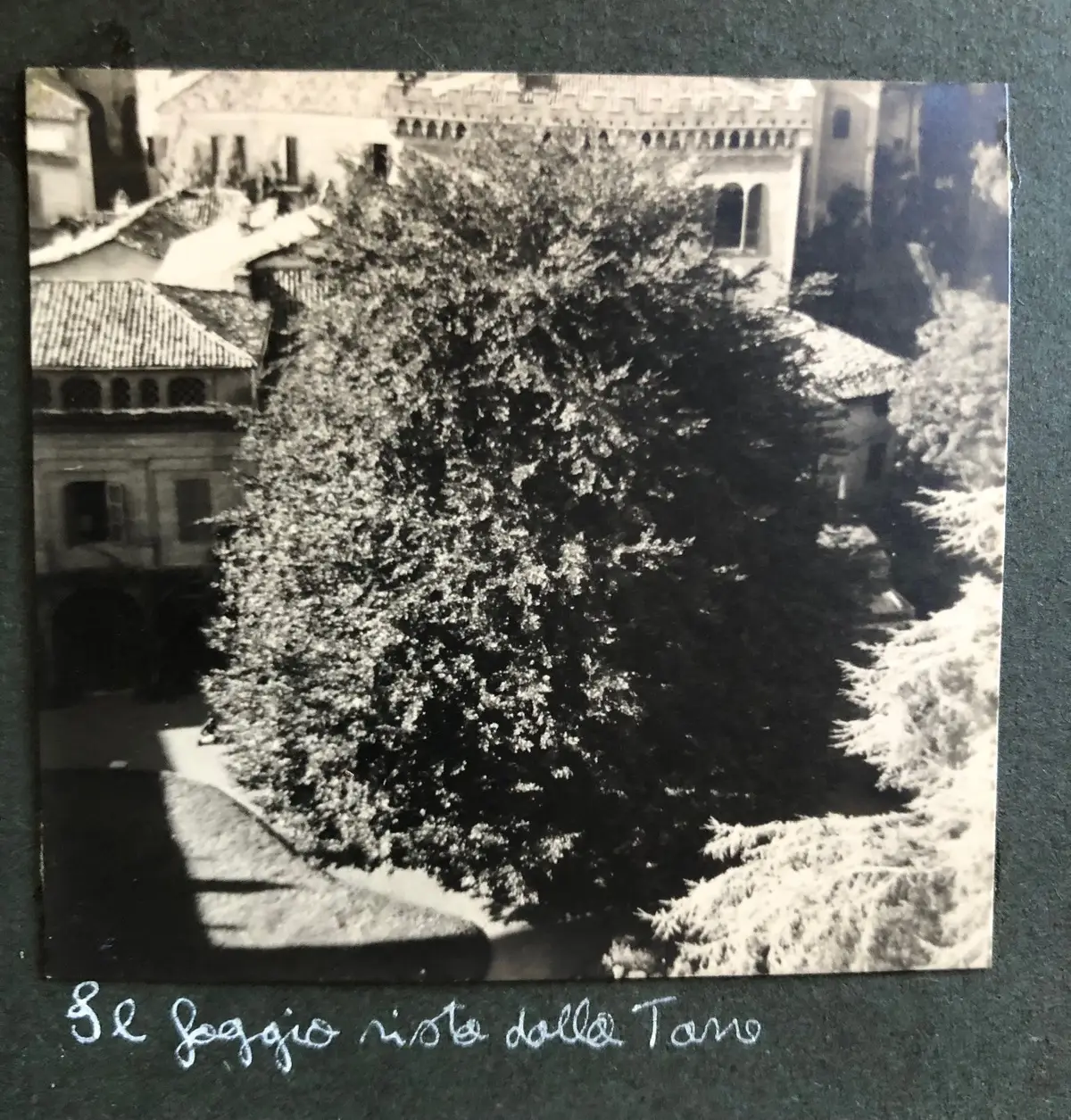
After the Second World War, however, everything changed. Guglielmo and Marilina, who married in 1945, introduced a more informal way of enjoying the garden: the flower beds and were gradually reduced, some of the tall trees, while the most representative ones became increasingly majestic.
In the 1980s, Francesco and Silvia, the current owners guided by a shared passion, decided beds , transforming them into spaces dedicated exclusively to perennials.