The aim of the project is to complete a process of enhancement initiated 30 years ago, creating the conditions in order that the part of the garden already open to the public can be joined by the oldest part, where the nymphaeum and a series of ramps are located. This restoration, supervised by the Superintendency, aims to preserve and bring to light the original identity of these places.
Plant components and garden design
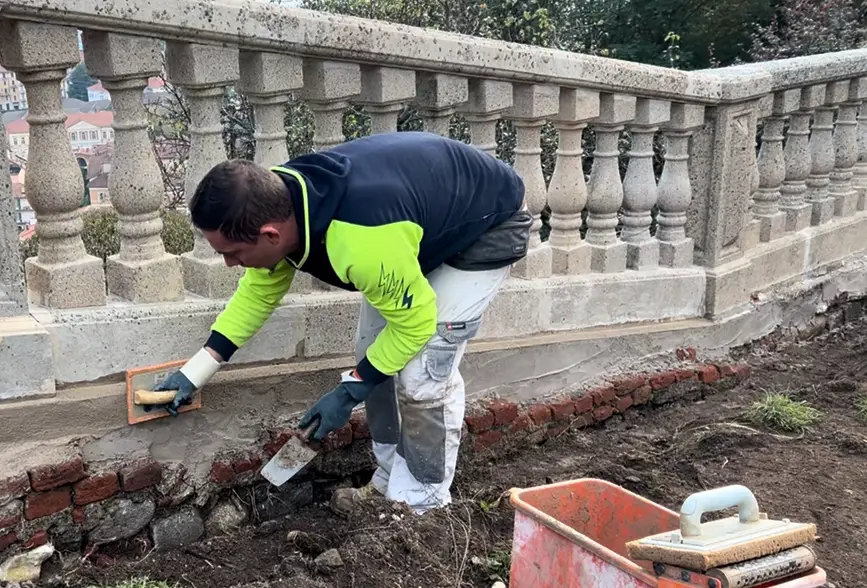
To ensure the stability and safety of the ground and surrounding structures, major work was carried out on the embankments and retaining walls, including cleaning the surfaces with pressure washing and metal brushes to remove weeds, followed by the reconstruction and consolidation of the walls. In addition, the covering of the retaining walls has been restored or replaced with stone slabs to ensure effective protection from the elements and improve the overall appearance of the area.
Plant engineering
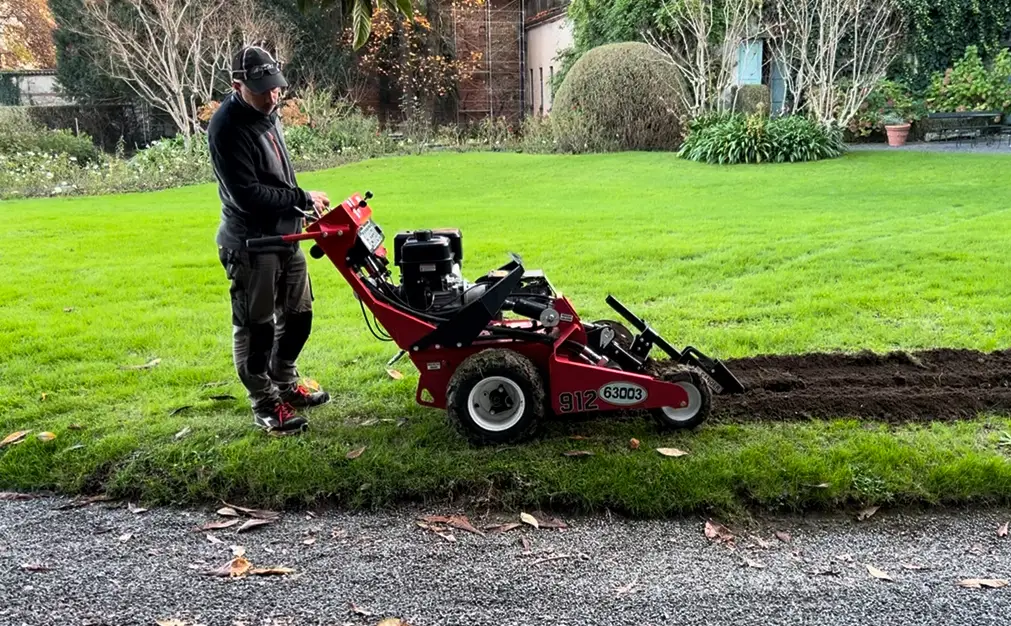
Restoration, renovation, replacement, and efficiency improvements were carried out on the hydraulic systems and restoration of the related monumental components (nymphaeum and adjacent ramps).Irrigation systems were built and underwent extraordinary maintenance, with excavations for the installation of underground utilities. Lighting systems were installed, with excavation work for the installation of underground services and the laying of electrical panels and lines.
Safety and accessibility
Measures were taken to secure fences, entrance gates and paths in addition to the restoration and consolidation of the balustrades. For access from Costa San Sebastiano, which and connects it to the garden, the infill of an ancient opening that closed the entrance door on this historic street has been removed, and a small staircase has been built, adjusting heights and levels.